
Human performance
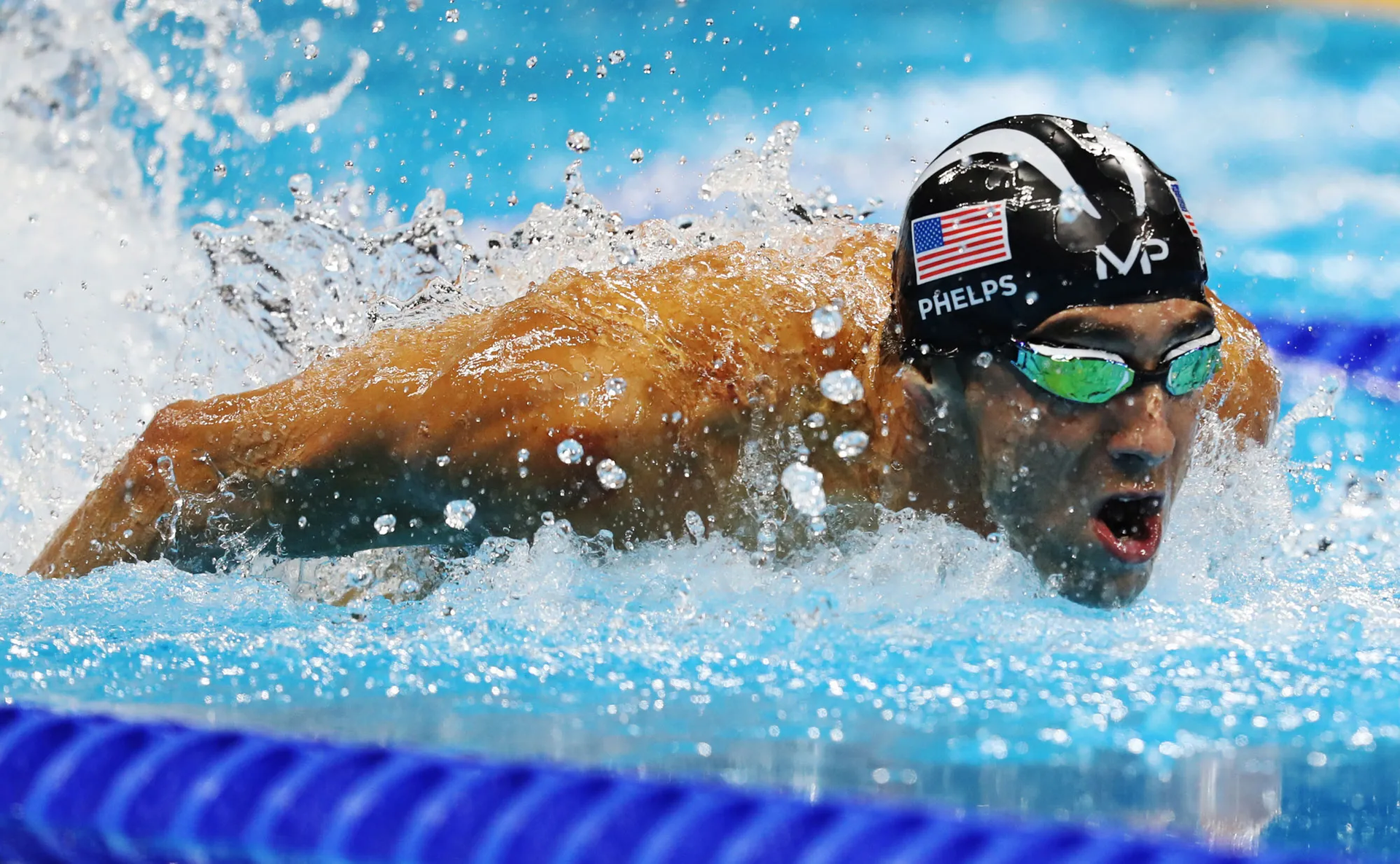
Performance-Enhancing Substances and Techniques in Swimming
Swimming but more specifically competitive swimming is a physically demanding sport that requires its athletes to have profound endurance, speed, strength as well as be able to recover efficiently after a competition. In view of these demands some athletes have been forced into or swayed to use performance-enhancing substances, including techniques to gain an unfair advantage.
One of the most common and most used forms of doping in swimming involves the use of anabolic steroids, these increase the muscle mass, muscle strength as well as the recovery rates of the muscle after use. Another more specifically commonly used and abused substance is erythropoietin (EPO). This substance is a hormone that increases the production of red blood cells and this then allows for more oxygen to be delivered to the muscles during endurance events. In addition some swimmers have been found to use human growth hormone (HGH) to improve their muscle recovery time as well as muscle development. Some athletes have even engaged in blood doping which is a way to artificially increase the number of red blood cells that the body has to improve endurance performance. Furthermore, another controversial performance-enhancing technique that was used involved high-tech polyurethane swimsuits.
Although these are not considered a drug many critics still argued that the swimsuits provided an unfair advantage for the athletes using them. These high-tech swimsuits increased the swimmers buoyancy and reduced their drag in the water, over this helped many swimmers achieve faster times in the water. As a result of this, World Aquatics banned the use of these suits in 2010.
Michael Phelps: Performance-Enhancing Substances
Throughout his career Michael Phelps has never tested positive for any performance-enhancing drugs and similarly he has not been involved in any doping scandals. He has competed under the strict anti-doping regulations that were established by the World Anti-Doping Agency and USA Swimming. Phelps has maintained a clean record and is regarded as one of the most successful athletes to be able to achieve his greatness without any help or involvement in performance-enhancing drug use. He has kept this record even in view of undergoing frequent testing during his career as a swimmer.
History of Doping
Throughout the history of swimming there have been multiple controversies associated with athletes doping. Multiple swimmers from all over have been suspended after testing positive for the use of banned substances. Athletes have tested positive for the use of anabolic steroids and EPO and these incidents have directly impacted and damaged the reputation of the sport. In view of this there have been increased calls for stricter testing procedures. A specific incident involved Chinese swimmers in the 1990s. These athletes tested positive for banned substances during international competitions. Swimmers from many countries have received suspensions for violations and using these banned substances more recently. This shows that doping continues to be an ongoing issue in competitive swimming even though authorities continue to enforce and strengthen testing.
Michael Phelps Training Techniques
High-Volume Training Techniques
Michael Phelps success in swimming came largely from his training schedule that included intense and highly disciplined work programs. Under the guidance of his coach, Bob Bowman, he followed one of the most demanding training schedules in the sport. Phelps was known to often train six to seven days each week of which numerous hours were spent in the pool. During his peak training periods he would have reportedly swam up to 80,000 meters (50 miles) per week. He focused on long-distance sessions to improve his cardiovascular endurance to overall swim more efficiently.
Strength and Resistance Training
Phelps was known to have followed a rigorous and hard strength-training program to improve his power as well as explosiveness in the water. He incorporated weight training and resistance exercises into his regime, this increased his strength and allowed him to essentially generate more force with each stroke and kick and this allowed him to move faster and farther. Workouts mainly focused on developing his core, back, shoulders and legs as these are critical muscle groups that are used in swimming as well as are essential for generating power in the water. In addition, strength training also helped him to prevent injuries and improve his overall athletic performance.
Flexibility and Mobility Training
To add, Phelps was also greatly known for his exceptional flexibility but more specifically in his shoulders and ankles. To maintain a full, effective range of motion and to improve his efficiency he incorporated mobility and stretching exercises into his training routine.
Interval and Speed Training
To improve his race performance, Phelps included many interval workouts and made sure to frequently complete them. These workouts alternated between high-intensity swimming and recovery periods to make for an efficient and effective session. Overall, these workouts developed and increased his speed, anaerobic capacity and his ability to maintain his performance even when under fatigue.
Recovery and Nutrition
Lastly, recovery was a critical part of Phelps training program. He used a variety of recovery techniques including massage therapy, adequate sleep, stretching and a proper nutritional diet to allow his body to fully recover during the short periods of time between workouts. As he was able to main recovery this helped him to better handle the extremely high training volume that was required to compete at the Olympic level. To Phelps, recovery was just as important as training as effective recovery reduced injury risk and allowed him to consistently train at a high level.